
In many cultures, including here in Indonesia, "beautiful" is still often tied to the idea of having fairer or brighter skin. Without realising it, these standards push many of us to crave instant results—wanting noticeably whiter skin in the blink of an eye.
This is exactly why "instant whitening" products have flooded the market, promising lightning-fast changes without a second thought for long-term skin health.
The desire to feel brighter and more radiant is completely natural. However, problems arise when "instant" becomes the top priority. Products that work too fast often rely on harsh or even dangerous active ingredients.
The impact isn't just felt on the surface; it can affect your entire body, especially with long-term use.
In fact, skin lightening has become a massive global industry, making up nearly half of the world's cosmetic market.
Valued at roughly USD 8.6 billion and projected to hit USD 12.3 billion in the next few years, it’s clear how much social pressure exists around skin tone.
But here’s the thing: a small boost in confidence for the sake of aesthetics is rarely worth the health risks. Lightening your skin with hazardous materials can trigger serious issues, from simple irritation to permanent organ damage.
The "Red Flags": Dangerous Ingredients in Whitening Products
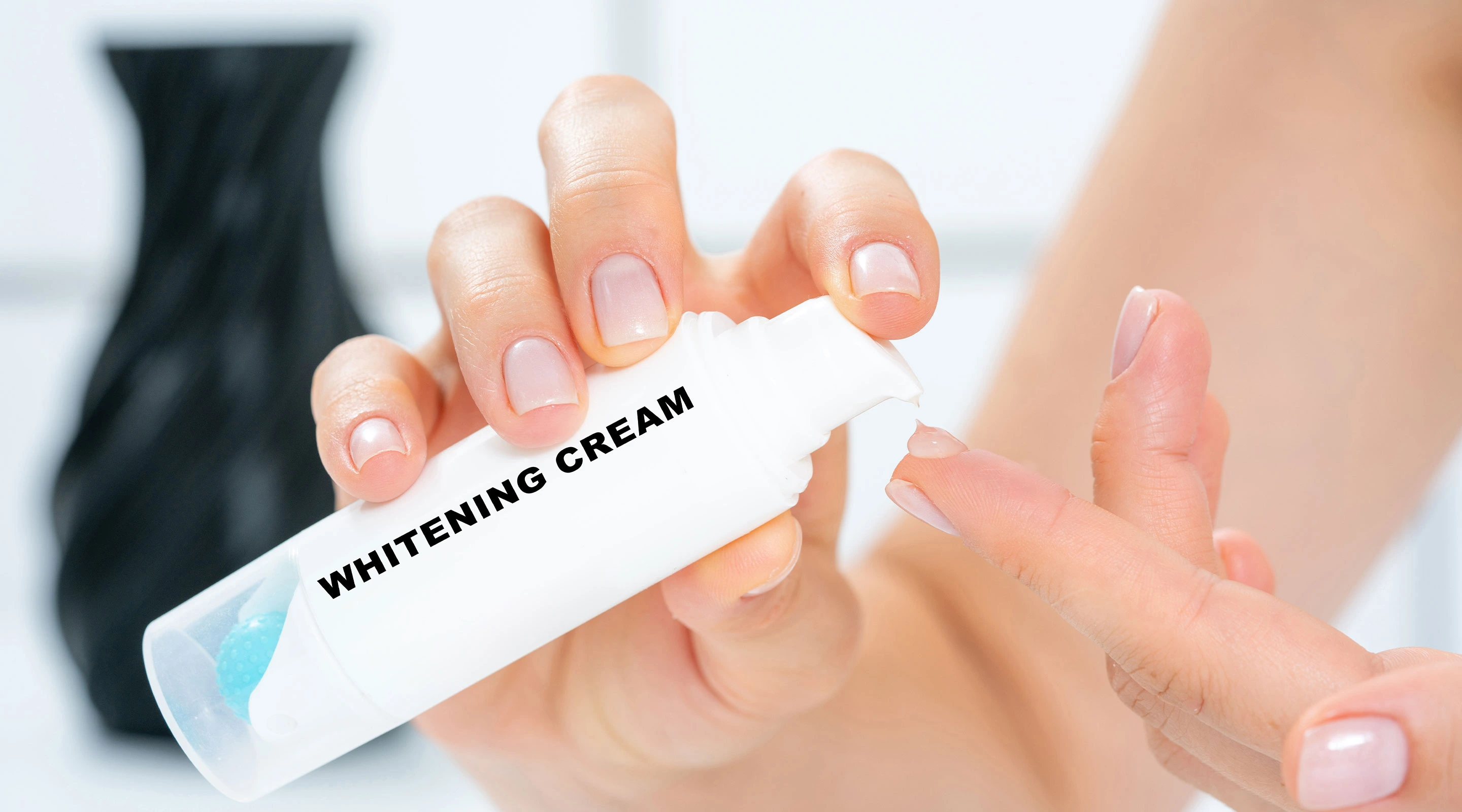
Some lightening agents still found in certain products can cause severe side effects, especially when used without medical supervision:
Mercury
This toxic heavy metal is still lurking in illegal whitening creams. Long-term exposure can lead to kidney and lung damage.
On the skin, it triggers redness, hyperpigmentation, and even nerve issues like peripheral neuropathy.
Hydroquinone
While known as an effective brightener, it’s not something to play around with. Prolonged use can cause chronic irritation and a condition called ochronosis—a permanent bluish-black darkening of the skin that is incredibly difficult to treat.
In high concentrations, hydroquinone may lead to systemic complications, including nausea, abdominal pain, convulsions, and impaired organ function.
Corticosteroids
These are often added for that "quick glow" because they suppress inflammation.
However, long-term use can thin the skin, cause uneven patches, reveal tiny broken blood vessels (telangiectasia), and make your skin painfully sensitive.
Why "Instant" is Risky for Your Delicate Folds
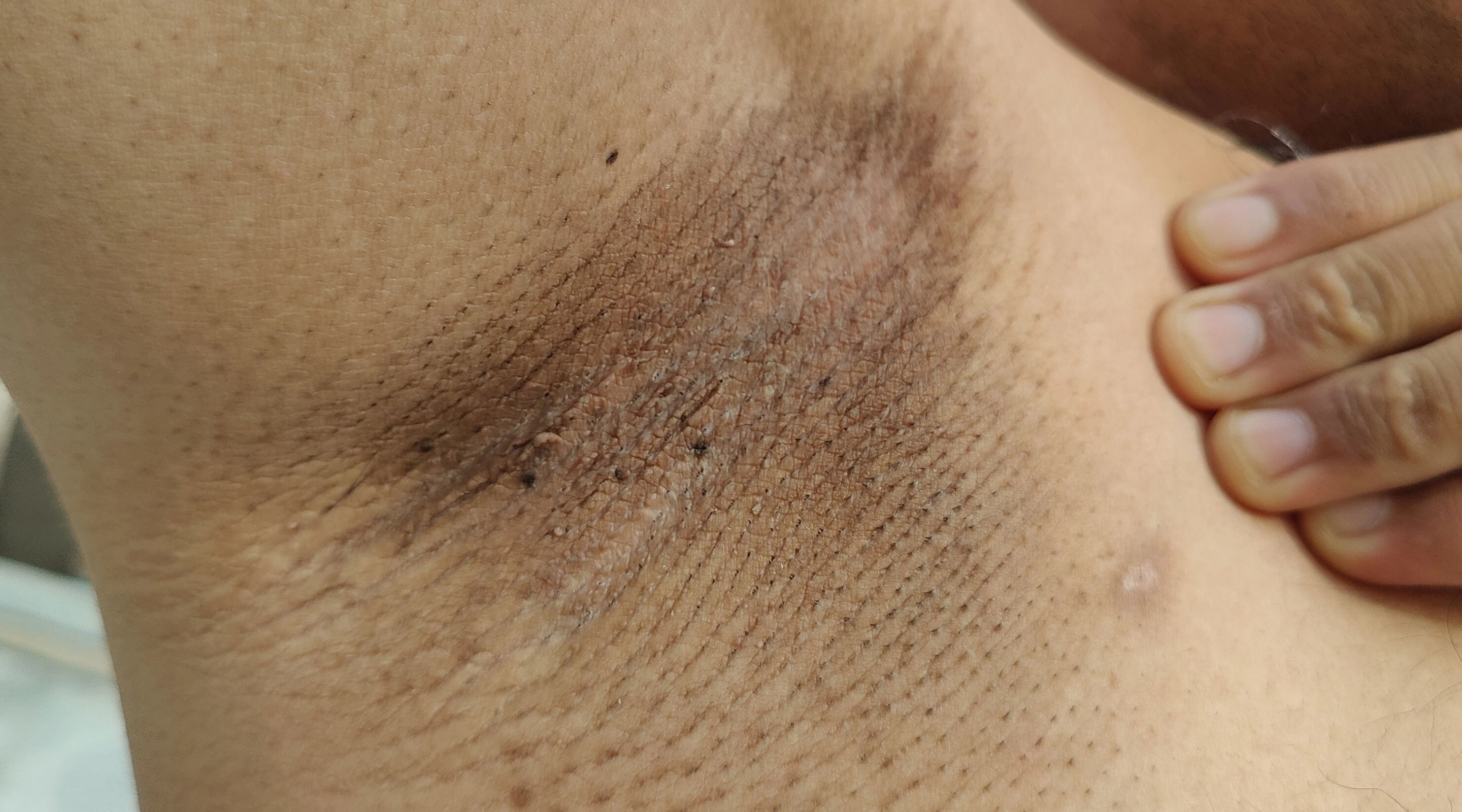
The risk becomes even higher when these harsh chemicals are applied to skin folds, like your underarms and bikini line. The skin here is thinner, more moist, and prone to friction, which means active ingredients are absorbed much more deeply into your system.
Instead of getting brighter, using instant whiteners on these areas can lead to:
- worsening hyperpigmentation (the skin "rebels" and gets darker);
- constant irritation;
- stinging;
- itching;
- infections.
Over time, your skin barrier breaks down, your skin’s microbiome is disrupted, and the area becomes so sensitive it’s hard to restore.
Brightening sensitive areas isn't about how fast you see a change; it’s about how safely the treatment works with your skin’s natural rhythm.
Prioritising a gentle, gradual process is much more important than the allure of risky, instant whitening claims.
The Power of Gentle Brightening
After seeing the risks, it’s time to rethink our skincare goals. Does the skin really need to change colour overnight, or does it just need to be nursed back to its healthy, natural state?
Gentle Brightening is a much more realistic and loving approach. Rather than forcing the skin to be white, it focuses on overall health:
- soothing mild inflammation;
- strengthening the skin barrier;
- balancing the skin’s microbiome;
- gradually reducing excess pigmentation.
This approach is vital for body folds because darkening in these areas is often just a natural response to friction, moisture, or repeated irritation. If you don't treat the cause, instant whitening will only make things worse.
With a gentle approach, your skin tone improves slowly and naturally. Areas that look dark due to irritation will start to look brighter and more even as the skin's protective function heals.
Most importantly, it keeps you comfortable—no stinging, no heat, and no dependency on harsh chemicals.
Ultimately, brightening your sensitive areas isn't about chasing a specific beauty standard. It’s about restoring balance so you can feel comfortable and confident in your own skin for the long haul.
References
The Gef. Accessed in 2026. Poisonous beauty: behind the fight to curb skin lightening creams.
Walk-in Dermatology. Accessed in 2026. Danger of Skin Bleaching.