


With busy daily routines, it’s easy for many women to overlook proper care for their feminine area. Yet, this sensitive part of the body plays a crucial role in maintaining intimate health and overall wellbeing.
Neglecting feminine hygiene can lead to problems such as vaginal infections, urinary tract infections (UTIs), irritation, and even fertility issues. That’s why maintaining daily care is not only about cleanliness, but also about protecting long-term health.
A vital part of caring for the feminine area is maintaining the vagina’s natural pH balance. A healthy vagina is slightly acidic, helping to prevent the growth of harmful bacteria. But factors like harsh soaps, unsuitable cleansing products, or internal imbalances can disturb this harmony, causing symptoms like itching, irritation, or discomfort.
Tips for Maintaining Feminine Area Hygiene

1. Shower Regularly
Regular bathing helps keep the body and feminine area clean. Use warm water and a mild, fragrance-free soap. Avoid harsh scrubbing or over-washing, which may upset the skin’s natural protective barrier.
2. Clean Gently with the Right Products
Use gentle cleansers with a pH balanced formula designed for the intimate area—especially during menstruation, after exercise, or in hot weather. Avoid internal cleansing (douching), as the vagina is self-cleaning.
3. Always Wipe Front to Back
After using the toilet or bathing, wipe from front to back (vagina to anus) to prevent bacteria from entering the urinary tract. This is especially important after sex and be sure to wash your hands thoroughly afterwards.
4. Change Underwear Daily
Wear breathable cotton underwear that absorbs moisture and allows airflow. Change underwear after workouts or if you feel dampness. For heavy discharge, change more frequently to maintain freshness.
5. Stay Fresh During Your Period
Change sanitary pads every 4–8 hours, tampons after 6–8 hours, and avoid leaving menstrual cups in for too long. Avoid perfumed feminine products, which can cause irritation or disrupt your natural flora.
6. Be Cautious in Public Toilets
Public restrooms carry a higher risk of bacterial contact. Use toilet seat covers or a disinfectant spray to reduce the risk of infection.
7. See a Doctor if Symptoms Arise
If you experience persistent itching, pain, swelling, redness, or discharge, consult a healthcare professional for proper diagnosis and care.
Common Mistakes in Feminine Area Care
Overwashing or Using Strong Soaps
Excessive washing can strip away natural oils and disturb the vagina’s delicate pH. Avoid highly perfumed or antibacterial soaps, as these can trigger dryness, irritation, or allergic reactions.
Using Scented Products
Feminine sprays, wipes, or powders may seem helpful, but often contain chemicals that irritate the skin or upset the balance of healthy bacteria in the intimate area.
Not Changing Menstrual Products Often Enough
Pads, tampons, and liners should be changed regularly—every 3–4 hours or more frequently with heavy flow. Leaving them too long increases the risk of odour, irritation, and bacterial growth.
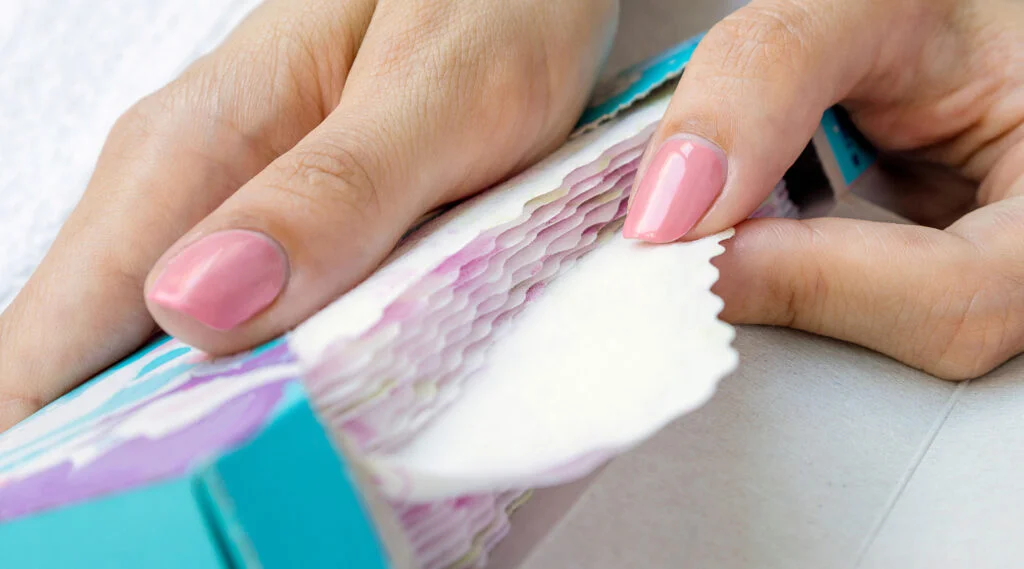
Wearing Panty Liners Every Day
Although helpful for absorbing discharge, daily use of panty liners may reduce ventilation and trap moisture, creating an ideal environment for bacteria. This can lead to irritation, unpleasant smells, or infection.
Feminine Area Care Supports Intimate Health
Caring for your feminine area is about more than hygiene, it's a key part of supporting your intimate health. With the right habits, gentle products, and awareness of what to avoid, you can stay fresh, comfortable, and confident every day.
Don’t wait for discomfort to take action! Prioritise your intimate wellness as part of your daily self-care routine. (xt)
References
Bloom Obgyn. Accessed in 2025. Vaginal Hygiene: Dos and Don’ts.
Medical News Today. Accessed in 2025. Your guide to understanding Vaginal pH balance
National Library of Medicine. Accessed in 2025. Role of female intimate hygiene in vulvovaginal health: Global hygiene practices and product usage
Neomedix Healthcare. Accessed in 2025. Intimate Hygiene Mistakes Women.
The Royal Women’s Hospital. Accessed in 2025. How can I stay healthy down there?