


There are parts of our bodies that almost never come up in daily conversation, yet they quietly become a source of intense self-judgment.
Areas like skin folds, underarms, or those more intimate spots hidden by clothes often only enter our thoughts as "problems" to be solved or secrets to be hidden.
But here’s the truth: just because we don’t talk about them doesn’t mean they are shameful.
Why Certain Areas Make Us Feel Insecure

For the longest time, the narrative around a woman’s body has focused on what is visible. The parts that stay covered were ignored, until suddenly they too were expected to be "perfect."
Media, adverts, and a one-size-fits-all visual standard have shaped a rigid expectation: skin must be perfectly even, smooth, and flawless everywhere.
Our skin folds sit at a tricky crossroads. They are natural, functional, and biological, yet they are constantly measured against unrealistic aesthetic standards.
In reality, these areas:
- experience constant friction;
- tend to be more damp;
- naturally have different pigmentation.
These are all natural responses of a living body. However, because we don’t talk about them openly, many of us grow up thinking we are the only ones "dealing" with it.
Silence Doesn’t Mean Something Is Wrong
Many women choose silence. Not because they don't care, but because they don’t know who to talk to, or they fear being judged. Silence becomes a survival tactic when there isn't a safe space to discuss our bodies as a whole.
But please remember: your silence isn't a sign that your body is "wrong.".
Not everything needs to be announced to be valid. Some bodily experiences are deeply personal, and that is completely okay. The problem isn’t your body, it’s the lack of a safe language to talk about it.
When something is never discussed, it becomes so much easier to misunderstand.
A Gentler Language for Our Bodies
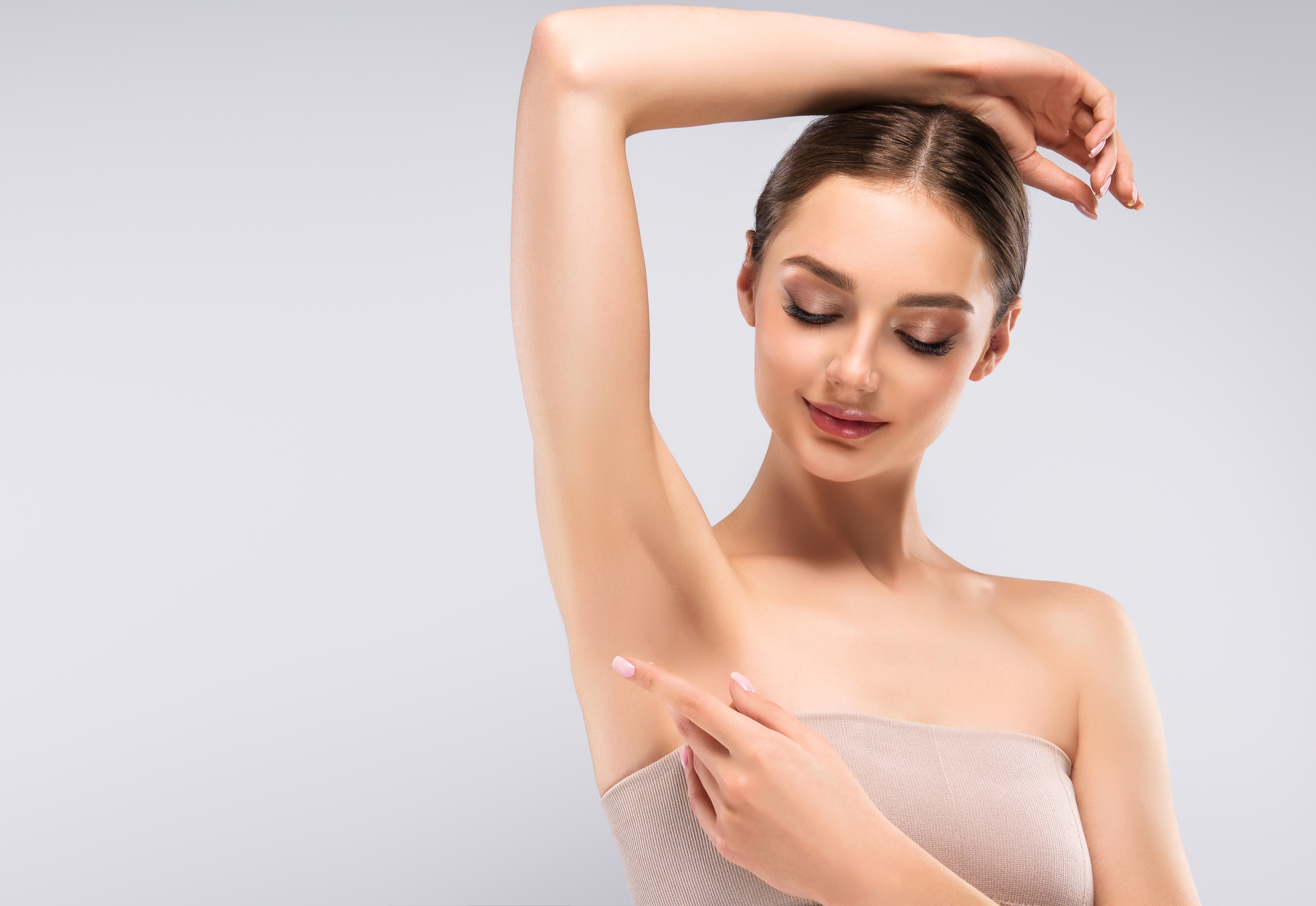
The way we talk about our bodies changes how we feel within them. Harsh language—words like "must," "should," or "abnormal"—slowly creates a gap between us and our own skin.
Instead, a gentler language gives us room to breathe. It’s about swapping "problem" for "part of my body." Replacing "needs fixing" with "worthy of care." Choosing understanding over shame.
Normalising these areas doesn’t mean ignoring the desire for self-care. It means giving women a choice, without pressure and without the feeling that they are "less than."
Rarely Discussed Doesn't Mean Embarrassing
A woman’s body isn’t divided into "parts that are okay to talk about" and "parts that should stay hidden." Every part has its own function, its own story, and its own needs.
At Oliv+ care™, we believe self-care starts with a sense of security: the feeling of being accepted, especially by yourself. It’s not about meeting outside expectations; it’s about supporting your personal comfort in your everyday life.
Because the things we rarely talk about aren't shameful. They’re just waiting for a gentler space to be understood.